IPMA Level D is the starting point for anyone who wants to become a certified project management professional. With the official ICB4 study material from Van Haren, the publisher of the IPMA publications.
IPMA-D: everything you need to know


What is IPMA Level D?
IPMA Level D (Certified Project Management Associate) is the entry level of the international IPMA certification for project management. With an IPMA-D certificate you demonstrate that you master the theoretical knowledge to work effectively in projects, according to the Individual Competence Baseline version 4 (ICB4) — the global competence standard of the International Project Management Association.
Unlike many other certifications, the IPMA assessment does not test knowledge of a single method, but your competences as a project professional. The ICB 4 Individual Competence Baseline describes 29 competence elements across three areas: Perspective (the context of projects, such as strategy and governance), People (personal and social skills, such as leadership and communication) and Practice (the practical side, such as planning, risk and quality) — together visualised in the well-known IPMA Eye of Competence.
IPMA has four certification levels: D (Associate), C (Project Manager), B (Senior Project Manager) and A (Project Director). IPMA Level D is the only certification level that requires no demonstrable project experience — which makes it the logical first step.
Who is IPMA Level D for?
IPMA Level D is intended for anyone at the start of a career in project management, or anyone who wants to prove their theoretical foundation:
Starting project managers and project leaders who want to formalise their knowledge with an internationally recognised certificate.
Project team members and project support staff (such as PMO professionals) who want to contribute to projects more effectively.
Students and young professionals who want to stand out in the job market — IPMA certifications are recognised by employers in more than 70 countries.
Professionals from other fields who increasingly work in projects and want to substantiate their competences.
There are no experience requirements: you do not need to have led projects to participate. Do you already have several years of experience as a project manager? Then IPMA Level C may be a better fit — see the comparison below.
IPMA Level D or Level C: which certification level suits you?
| IPMA Level D | IPMA Level C | |
|---|---|---|
| Level | Entry level (Associate) | Experienced project manager |
| Experience requirement | None | At least 3 years of experience leading projects |
| Assessment | Theory exam | Theory exam + assessment of practical experience |
| Who is it for | Starters, project team members, students | Project managers who lead projects independently |
| Next step | To IPMA Level C | To IPMA Level B |
In doubt? The rule of thumb: if you cannot yet demonstrate three years in which you led projects yourself, IPMA Level D is your starting point. The certificate remains valuable as a stepping stone — many project managers obtain Level D first and certify on to Level C a few years later.
View our IPMA Level D products
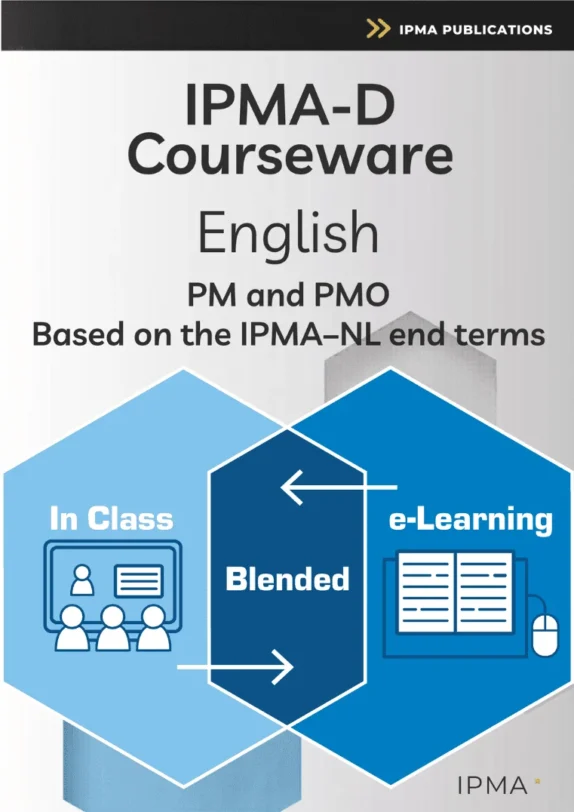
Below you will find our products for IPMA Level D: books, exam preparation, eLearning, courseware and more.

How to prepare for the IPMA Level D exam
As the official publisher of the ICB4 publications, Van Haren offers everything you need for your preparation.
The official manual
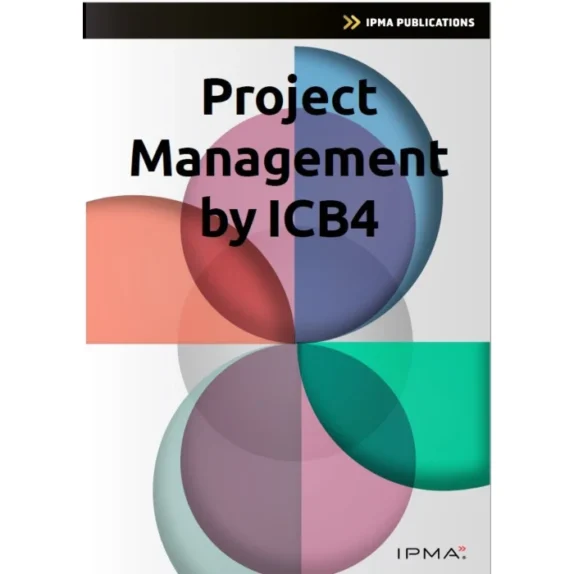
Project Management by ICB4 — the standard work for your IPMA-D preparation, fully aligned with the exam requirements. Order the book in the store.
Online exam preparation
Complete online preparation for the individual IPMA certification (levels A, B, C and D), including practice material. View the online exam preparation.
eLearning
Study at your own pace with Van Haren’s IPMA eLearning modules.
IPMA certification training
Prefer guidance from a trainer? Find an accredited IPMA training organisation or request a quote.
Is IPMA Level D worth it? The foundation of professional project management
In a job market where more and more work is organised in projects, demonstrable competence makes the difference. For many project professionals, IPMA Level D certification is the first formal step: internationally recognised proof that you master the theory of project management according to the Individual Competence Baseline version 4 (ICB4). As the official publisher of the ICB4 publications, Van Haren has been supporting organisations and individuals in learning and applying IPMA for more than two decades. On this page you will find not only the complete study material, but also the context to make a well-considered choice.
Why IPMA Level D is the logical starting point
IPMA Level D is the only IPMA certification level that requires no demonstrable project experience. That makes it accessible to starters, project team members, PMO professionals and students, while still laying a serious substantive foundation. The certificate is recognised by employers worldwide and forms the natural stepping stone to the higher levels IPMA-C, IPMA-B and IPMA-A. Many project managers obtain their IPMA-D first and certify on a few years later once they have built up sufficient practical experience.
More than a method: the ICB 4 Individual Competence Baseline
Where a method certification such as PRINCE2 mainly tests knowledge of one specific approach, the IPMA assessment revolves around your competences as a project professional, independent of any method. The ICB4 describes 29 competence elements, divided over three areas: Perspective (the context in which projects take place, such as strategy and governance), People (personal and social competences, such as leadership, communication and conflict management) and Practice (the technical side, such as scope, planning, risk and quality). Together they form the IPMA Eye of Competence, the visual model behind the standard. The People area in particular is often underestimated by candidates: leadership and collaboration cannot be memorised, but require understanding and application. This broad, competence-based foundation is exactly what sets IPMA Level D apart and what makes it so valuable in practice.
Van Haren as official publisher and knowledge partner
Not all IPMA-D study material is equal. Van Haren is the official publisher of the IPMA and ICB4 publications and develops its learning material in close alignment with the official exam requirements. The material — from the core manual to the exam preparation — is reviewed by an extensive team of IPMA trainers and IPMA-certified project managers, and is updated regularly. For you that means certainty: you study from sources that match the actual exam and the current practice of the profession.
How to get your IPMA certification
The route to your IPMA-D certificate consists of three steps. First, choose your certification level — for starters this is Level D. Then prepare with the official ICB4 study material: through self-study, eLearning or an IPMA certification training with an accredited training organisation. Finally, register for the exam with the IPMA certification body (member association) in your country; you will find an overview on ipma.world. For IPMA Level D no project experience is required, so you can register directly.
What an IPMA-D certificate brings you
The value of IPMA Level D reaches beyond the diploma itself. The broad knowledge you gain during your preparation makes you a stronger discussion partner in projects and helps you recognise bottlenecks, structure processes and make well-founded choices. In the job market the certificate acts as a recognisable quality mark: it shows employers that you take your profession seriously and have had your competences assessed against an international standard. And because IPMA-D is the starting point of a complete certification ladder, you are not investing in an end point but in a foundation you can keep building on throughout your project career.
Ready to start? View the complete range of IPMA-D products in our store above, or request a quote for a tailor-made training or eLearning.
Frequently asked questions about IPMA Level D
How do I get an IPMA certification?
You register for the exam with the IPMA certification body (member association) in your country — an overview is available on ipma.world — prepare with the official ICB4 study material, and take the exam. For IPMA Level D no project experience is required.
How long does the preparation for IPMA Level D take?
On average candidates spend 8 to 12 weeks preparing alongside a job, depending on prior knowledge and study pace. With self-study using the official ICB4 manual and practice exams this is very feasible; eLearning or classroom training can shorten and structure the process.
What does the IPMA-D exam cost?
The exam fees are set by the IPMA certification body in your country. In addition, you invest in study material: the official manual, possibly supplemented with eLearning or a training. Visit our webstore for more information.
Is the IPMA Level D exam difficult?
IPMA Level D is very achievable for those who prepare seriously, even without project experience. The challenge lies in the breadth: the exam covers all 29 competence elements of the ICB4, including the People competences such as leadership and communication. Those who only study the ‘hard’ planning techniques will struggle.
How long is an IPMA-D certificate valid?
An IPMA-D certificate is valid for 5 years. After that you can recertify, or — if you have built up project experience in the meantime — certify directly on to IPMA Level C.
IPMA or PMI (PMP)? And how does PRINCE2 compare?
PMP by PMI and PRINCE2 test knowledge of a specific body of knowledge or method, while the IPMA assessment tests your competences as a project professional, independent of any method. The certifications do not exclude each other: many project managers combine an IPMA certification level with PRINCE2 or PMP. IPMA is particularly strong in Europe. Read more on our PRINCE2 page.