ICB® Individual Competence Baseline
What Are the Experience Requirements for IPMA D Certification?
IPMA D certification requires no prior project management experience. Unlike Levels A, B, and C, IPMA D focuses purely on knowledge of the competence elements described in the Individual Competence Baseline (ICB4). This makes it the entry point into IPMA's four-level certification scheme for anyone starting a career in project management.
What experience is required for IPMA D certification?
No previous experience is required for IPMA D certification. According to Project Management by ICB4 – IPMA, an IPMA D certification only requires that the candidate is knowledgeable in all Competence Elements (CEs) related to project management. This makes it accessible to anyone entering the field.
The book puts it directly: “An IPMA Level D certification requires that the candidate is knowledgeable in all Competence Elements (CEs) related to project management. As such, they possess broad project management knowledge and can work in a project team. No previous experience is required.” This sets IPMA D apart from Levels A, B and C, which all demand a minimum number of years working as a project manager before you can apply.
How does IPMA D fit into IPMA's four-level certification scheme?
IPMA D is the entry-level tier within IPMA's four-level certification scheme, which also includes Levels C, B and A. Project Management by ICB4 – IPMA notes that IPMA has developed this four-level schema for project professionals based on the Individual Competence Baseline, allowing progression from associate to senior director roles.
| Level | Title | Experience Required |
|---|---|---|
| D | Project Management Associate | None – knowledge-based only |
| C | Project Manager | At least 3 years in the last 6 years managing projects of moderate complexity |
| B | Senior Project Manager | At least 5 years in the last 8 years, including 3 years leading complex projects |
| A | Projects Director | At least 5 years in the last 12 years, including 3 years at a strategic level |
For Levels B, C and D, IPMA requires candidates to complete a self-assessment alongside the examination, though for D this reflects familiarity rather than a career history.
What does the IPMA D exam test?
The IPMA D exam tests theoretical knowledge across all competence elements in the ICB4, covering people, practice and perspective competences relevant to running or supporting projects. Candidates also complete a self-assessment, as required for Levels B, C and D alike, though for IPMA D this reflects familiarity with project environments rather than management experience.
As the book explains, “For Levels B, C and D, candidates should complete a self-assessment and pass an examination. The self-assessment is designed to provide a clear picture of an individual's experience in project-related environments.” For IPMA D, that picture is less about years worked and more about exposure to project settings, since the certification itself carries no experience threshold.
Which subjects does the IPMA D exam cover?
IPMA D exams cover the basic subjects of project management, the primary knowledge areas needed for project success. Project Management by ICB4 – IPMA states that these basic subjects are also generally required for certification for IPMA D, while advanced subjects are reserved for Levels B and C, which involve more complex projects.
As Project Management by ICB4 – IPMA puts it, “The basic subjects cover the primary knowledge areas needed for project success. They are also generally required for certification for IPMA D.” Advanced subjects only become relevant once you pursue IPMA C or IPMA B, where projects grow in complexity and scope.
No Experience Needed
IPMA D certification tests knowledge of the ICB4 competence elements rather than practical track record, making it the accessible starting point in IPMA's four-level scheme.
Ways to learn this standard
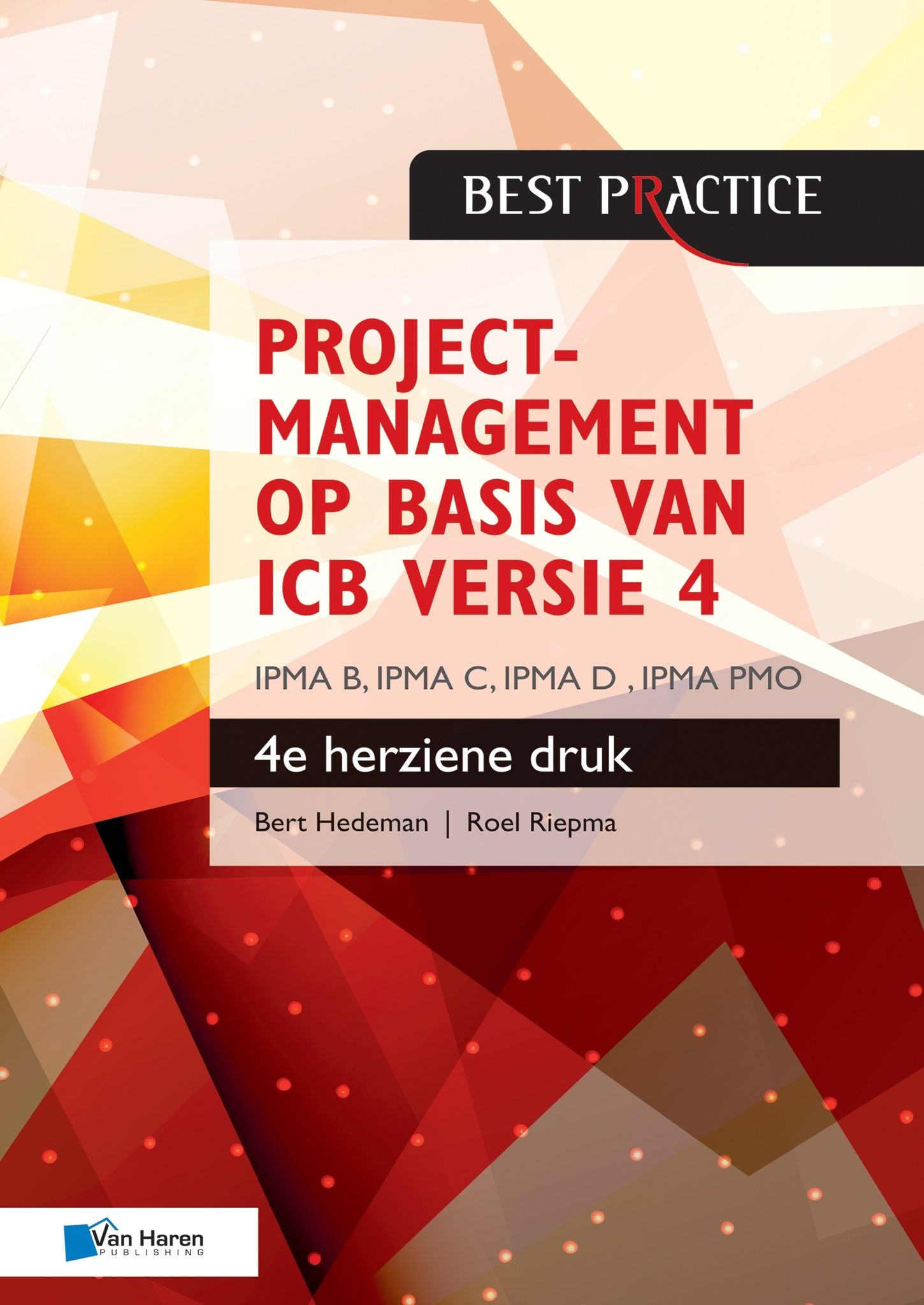
Projectmanagement op basis van ICB versie 4 – 4de herziene druk – IPMA B, IPMA C, IPMA-D , IPMA PMO

Projectmanagement op basis van ICB4

Request a quote from a training partner
Frequently asked questions
IPMA D certification does not automatically count as practical project experience toward IPMA C. IPMA C requires a minimum of three years of experience in the last six years as a project manager, which must be demonstrated separately through the self-assessment. IPMA D simply confirms your knowledge of the competence elements, so any real project experience you gain afterwards still needs to be documented for higher levels.
The Certification Body of your national IPMA Member Association assesses and certifies IPMA D candidates. Each Member Association runs its own accredited certification process, though all assessments are based on the same Individual Competence Baseline. This ensures that an IPMA D certificate carries the same meaning regardless of which country issues it.
Yes, IPMA D is specifically designed for people without prior project management experience. It suits students, recent graduates, or team members who want to understand project management theory before taking on leadership responsibilities. Because no track record is required, it works well as a first step before pursuing IPMA C once real project experience has been gained.
Project Management by ICB4 – IPMA is the recommended reference for anyone preparing for IPMA D certification. It explains the competence elements, the certification scheme across all four levels, and the basic subjects examiners expect candidates to know. Studying this book gives a structured overview before you register for the exam.